
Mount Everest, standing at an implementing 8,848.86 meters (29,031.7 toes) above sea degree, is the tallest mountain on earth. Referred to as “Sagarmatha” in Nepalese and “Chomolungma” in Tibetan, this iconic top attracts adventurers, mountaineers, and thrill-seekers from round the sector. Because the top of the planet’s Highest mountain variety, the Himalayas, Everest has a completely unique region in history, lifestyle, and exploration. The entice of hiking Mount Everest, regardless of the acute demanding situations and risks, makes it one of the Highest sought-after summits within the international.
In this distinct manual, we’ll explore the whole thing approximately Mount Everest, which include its geography, records, sizeable climbs, environmental issues, and the non-public testimonies of those who have tried to reach its summit. whether you’re an aspiring climber, a geography fanatic, or a person inquisitive about human fulfilment, this article will offer a comprehensive evaluation of the powerful Mount Everest.
Geography of Mount Everest
Mount Everest is placed inside the Himalayas, a giant mountain range in Asia that spans five nations: India, Nepal, Bhutan, China (Tibet), and Pakistan. Everest itself lies at the border among Nepal and the Tibet self sustaining area of China. It bureaucracy part of the Mahalangur variety, which is domestic to several other super peaks, such as Lhotse, Makalu, and Cho Oyu.
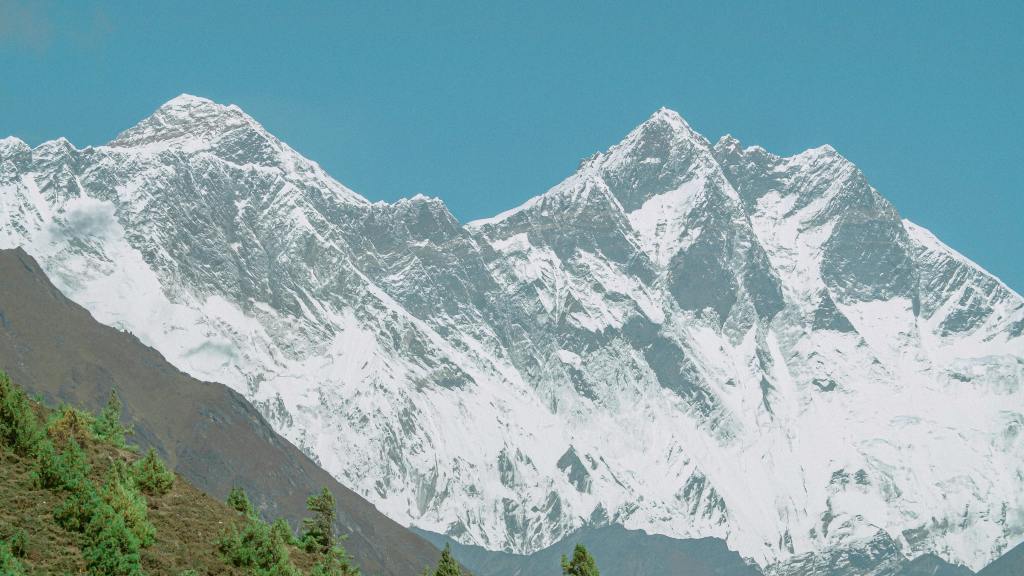
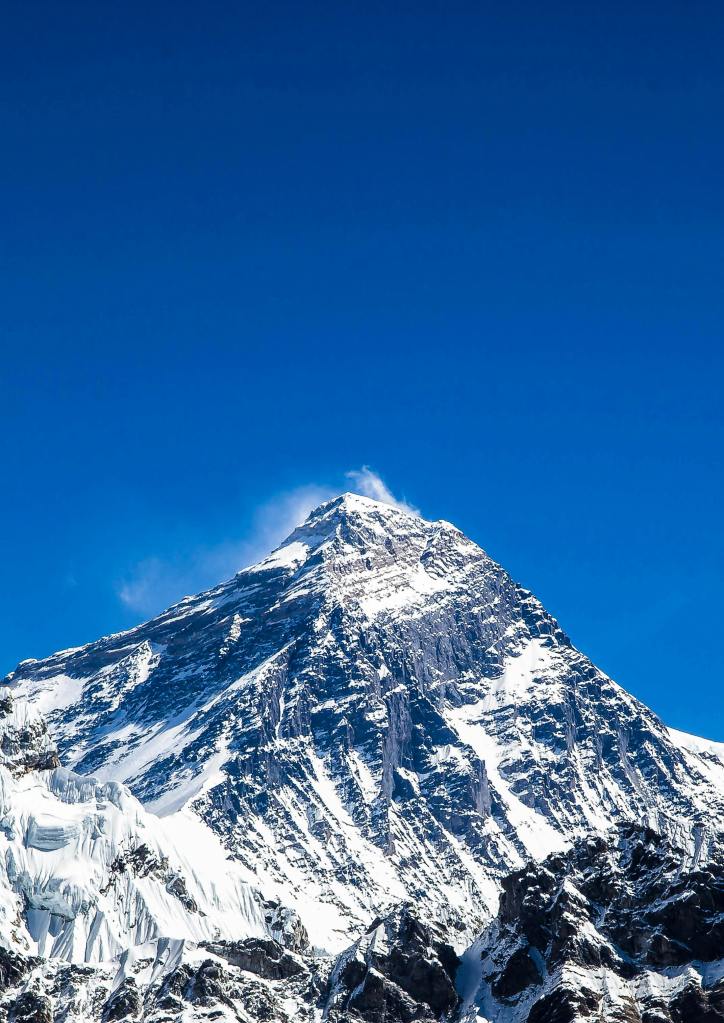
The summit of Mount Everest is situated at 8,848.86 meters (29,031.7 feet) above sea stage, making it the very best point on the earth. Its geographical vicinity, on the intersection of Nepal and China, makes the mountain a huge landmark within the location. Mount Everest’s dramatic elevation has given upward thrust to the particular environment and climate that surrounds it.
The mountain is on the whole made of sedimentary rock, which become formed whilst the Indian tectonic plate collided with the Eurasian plate tens of millions of years in the past. This tectonic shift is liable for the creation of the Himalayas and maintains to reason the mountain to upward thrust by a few millimeters each 12 months. The powerful forces of nature and the geological pastime inside the vicinity have additionally contributed to the mountain’s huge size and rugged terrain.
The encompassing Peaks and landscape
Mount Everest is a part of a larger machine of mountains inside the Himalayas. The mountain is surrounded by means of numerous different tall peaks, such as:
- Lhotse: The fourth-highest mountain in the international, standing at 8,516 meters (27,940 feet).
- Makalu: The fifth-highest mountain, with an elevation of 8,485 meters (27,838 ft).
- Cho Oyu: The 6th-highest mountain, which reaches eight,188 meters (26,864 toes).
The Khumbu place, home to Everest, is also known for its glaciers, icefalls, and steep ridges. The Khumbu Icefall, which lies at the southern course of the mountain, is one of the most dangerous parts of the climb. The panorama around Mount Everest is characterized via jagged rocks, deep crevasses, and towering ice formations that climbers must navigate carefully.
The records of Mount Everest
Early understanding of Everest
while Mount Everest became an unwell-known entity to the Western world for a great deal of records, it became 9aaf3f374c58e8c9dcdd1ebf10256fa5 to the indigenous Sherpa humans living inside the place. In reality, the Sherpas, who are native to the high-altitude regions of Nepal and Tibet, were instrumental in mountain climbing expeditions due to their amazing persistence and understanding of the mountains.
Inside the mid-1800s, Western explorers began to take an interest within the mountain. British surveyors, as part of the splendid Trigonometric Survey of India, measured Everest and first recognized it as the sector’s tallest top. In 1865, the British surveyor Andrew Waugh named the mountain “Mount Everest” in honor of Sir George Everest, the former Surveyor widespread of India.
The primary a success Summit
whilst several expeditions had been mounted to climb Mount Everest during the early twentieth century, it wasn’t till can also 29, 1953, that the first a success ascent came about. The British expedition led by using Colonel John Hunt achieved the historical feat. The summit was reached through two climbers: Sir Edmund Hillary, a brand new Zealand mountaineer, and Tenzing Norgay, a Sherpa of Nepal. Their a success climb become a enormous achievement inside the world of mountaineering and brought international interest to the mountain.
Hillary and Norgay’s fulfillment in 1953 paved the way for future expeditions and became an thought for subsequent generations of climbers. Their adventure remains one of the maximum celebrated moments inside the history of mountain climbing.
Subsequent Expeditions
For the reason that first a success summit in 1953, Mount Everest has attracted climbers from round the world. The mountain’s charm as the very best point in the world has brought about severa expeditions, every with its personal challenges and triumphs. At the same time as many climbers have reached the summit, some have tragically misplaced their lives attempting the climb.
Inside the 1970s and Nineteen Eighties, greater state-of-the-art equipment and era made mountain climbing Everest more feasible. the usage of supplemental oxygen, as an example, allowed climbers to ascend to higher altitudes, in which the shortage of oxygen makes it not possible to live on without artificial aid.
The Nineties and 2000s noticed a surge within the quantity of climbers attempting to reach the summit, which has brought about overcrowding on the mountain throughout height seasons. This phenomenon, at the same time as a signal of Everest’s growing recognition, has also added sizeable risks and demanding situations, inclusive of long waiting instances at critical points and expanded environmental stress.
The climbing Routes
Mount Everest can be accessed from two major routes:
The Southern path (Nepal)
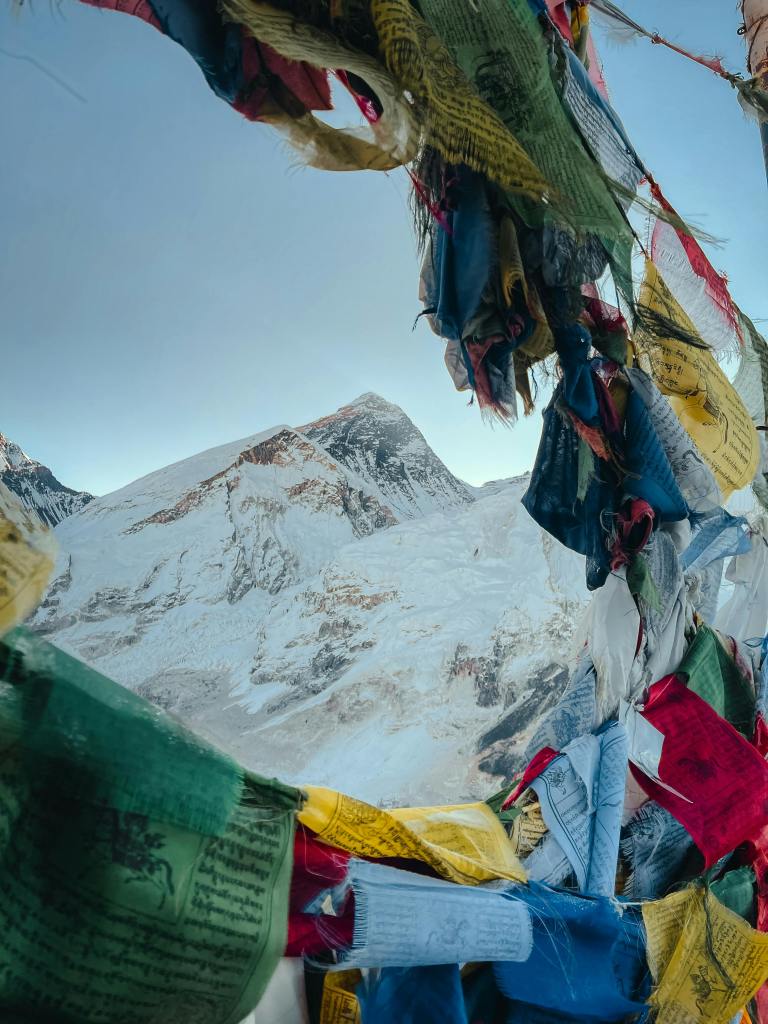
The southern route, which begins from Nepal, is the most famous and commonly used hiking course. It begins at the Everest Base Camp, located at an elevation of approximately five,380 meters (17,600 toes). From there, climbers ascend through a series of camps alongside the mountain’s southern face, in the end attaining the summit.
Key sections of the southern course encompass:
- The Khumbu Icefall: A treacherous stretch of glacier that climbers have to move early of their ascent. The constantly moving ice and massive crevasses make this segment one of the most dangerous.
- The Lhotse Face: A steep rock and ice slope main to the South Col, a critical factor at the direction.
- The Hillary Step: A vertical rock face just under the summit that poses a great assignment for climbers.
The southern path is the most frequently used direction, but it’s also closely trafficked, mainly at some stage in the height months of may additionally and early June.
The Northern direction (Tibet)
The northern route, starting from Tibet, is much less frequently used however gives an alternative ascent to the summit. This route is considered to be more technical and tough, requiring climbers to navigate tough situations, such as severe cold and excessive winds. however, it is less crowded than the southern path, that could offer a more serene climbing revel in.
The northern direction starts at the Tibet Base Camp, located at five,a hundred and fifty meters (16,896 toes). Climbers ascend the northern slopes of Everest, making their way as much as the summit thru the various camps alongside the path.
The challenges of hiking Mount Everest
Altitude illness
Considered one of the largest challenges of mountain climbing Mount Everest is managing the altitude. As climbers ascend, the oxygen ranges inside the air end up progressively thinner. On the summit, there’s simplest about a third of the oxygen available at sea level. The dearth of oxygen can motive altitude illness, that is potentially existence-threatening.
Symptoms of altitude illness consist of headaches, dizziness, nausea, and shortness of breath. In severe instances, altitude illness can lead to pulmonary edema (fluid within the lungs) or cerebral edema (swelling of the brain), each of which may be fatal with out on the spot treatment.
The death quarter
The “dying region” refers to the altitude above 8,000 meters (26,247 toes) wherein the body’s bodily capabilities begin to go to pot because of a lack of oxygen. Climbers in the demise zone must use supplemental oxygen to live on, however despite oxygen, the frame is at brilliant threat of fatigue and failure.
This location is dangerous because the human body is not capable of functioning optimally at such excessive altitudes. Climbers who spend too much time inside the dying quarter chance dying from exhaustion, hypothermia, or loss of oxygen.
Harsh weather conditions
The weather situations on Mount Everest are unpredictable and regularly excessive. The mountain is subject to excessive winds, freezing temperatures, and blizzards, all of that can make mountaineering treacherous. Climbers must be prepared for unexpected changes in weather, that may dramatically have an effect on their safety.
Crowding
As the recognition of Everest climbs has elevated, so too has the range of climbers attempting the summit. for the duration of top seasons, the mountain can turn out to be overcrowded, mainly near the summit. long lines at crucial factors can cause delays and growth the threat of injuries. In 2019, overcrowding on Everest became a first-rate concern while climbers have been pressured to wait in dangerous situations close to the summit, main to numerous fatalities.
Environmental and ethical issues
The growth inside the variety of climbers on Mount Everest has led to growing worries about the environmental impact. one of the maximum extensive issues is the buildup of waste on the mountain. Climbers frequently leave at the back of trash, discarded gadget, and even human waste. The presence of so much waste has made the mountain a image of the environmental demanding situations that include high-altitude tourism.
Efforts were made to address this problem. as an instance, the government of Nepal has implemented regulations requiring climbers to carry returned a positive amount of waste, along with their empty oxygen bottles and trash. additionally, some agencies are operating to smooth up the bottom camps and surrounding areas.
Conclusion
Mount Everest, the world highest peak and the very best point on earth, continues to captivate climbers, adventurers, and explorers. Its towering presence and the demanding situations it offers make it a image of human willpower and the last check of patience. at the same time as attaining the summit is an splendid achievement, the dangers and dangers associated with hiking Everest cannot be unnoticed. it’s far essential for climbers to be prepared, educated, and privy to the environmental impact in their expeditions.
The history, geography, and allure of Mount Everest will retain to inspire destiny generations of climbers. As interest within the mountain grows, it will be essential to balance the pursuit of journey with responsible stewardship to shield the herbal beauty and integrity of the arena’s tallest height.
 Welcome to My Travel Blog