
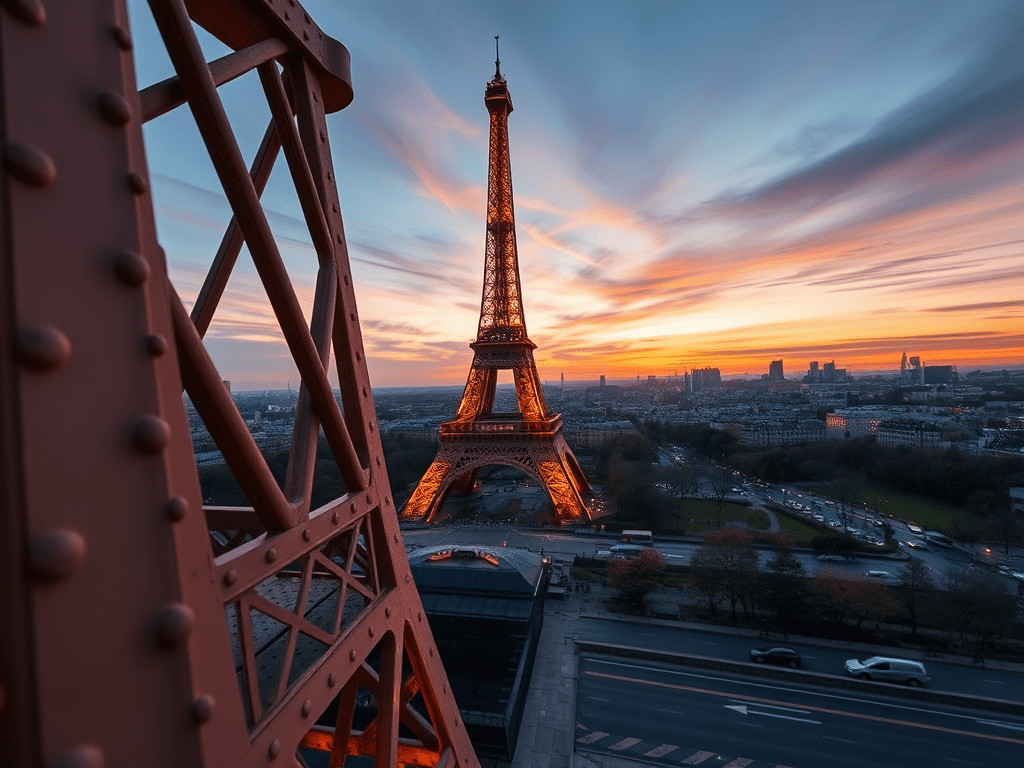
Discover the rich records and cultural importance of the Eiffel Tower, one of the maximum iconic landmarks in Paris. From its revolutionary layout by Gustave Eiffel to its transformation right into a image of modernity and love, the Eiffel Tower has captivated millions of visitors worldwide. discover how this engineering marvel, at the start built for the 1889 global’s truthful, maintains to inspire awe with its beautiful architecture, breathtaking views, and role as a cultural hub. study its charming journey from debatable structure to international image of France.
Author Archives: Madiha Khan
Exploring the Legacy of Christ the Redeemer
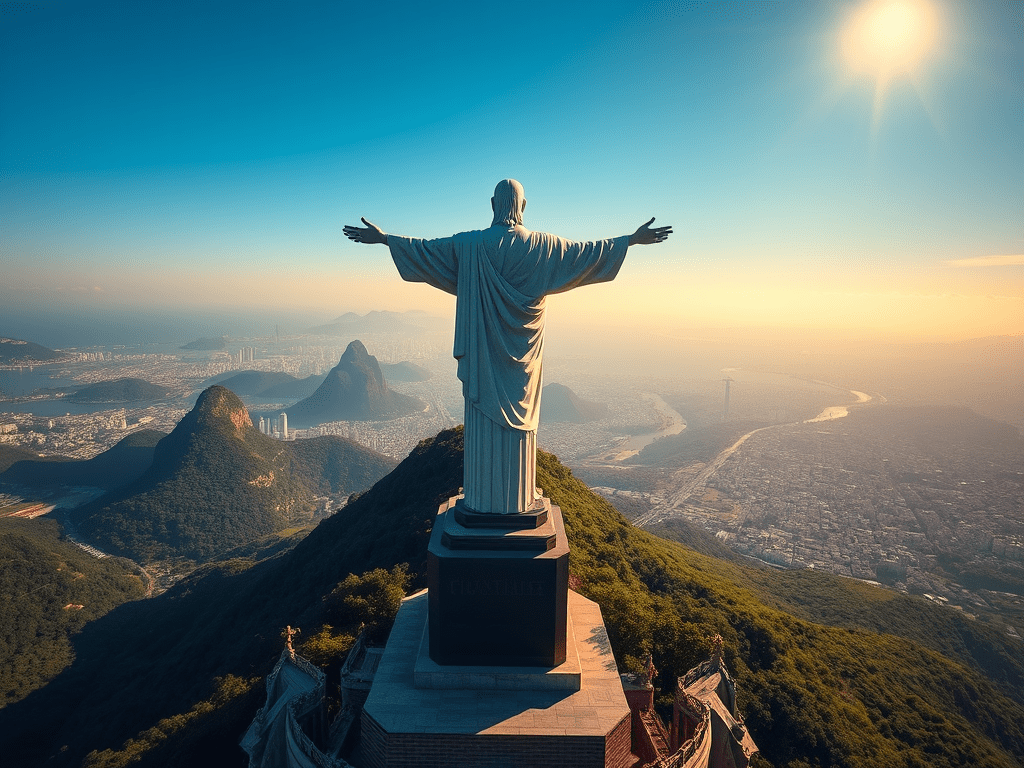
**Christ the Redeemer: An Excerpt**
Christ the Redeemer is one of the most iconic and revered symbols of Christianity, embodying the message of salvation and the divine nature of Jesus Christ. The monumental statue, towering above the city of Rio de Janeiro in Brazil, is not only a religious symbol but also a cultural and national icon. The image of Christ with outstretched arms speaks to the embrace of God’s love and grace, welcoming all people regardless of their background, nationality, or status.
Standing atop Mount Corcovado at 2,330 feet, the statue was completed in 1931 and has since become a symbol of hope and unity for both Brazilians and Christians worldwide. Its monumental scale and artistic representation capture the spirit of the Christian faith — Christ as the redeemer of humanity, offering forgiveness and salvation through His crucifixion and resurrection. The outstretched arms of Christ symbolize His unconditional love and sacrifice, offering a visual metaphor for the idea that Christ’s redemptive power is vast, reaching out to the world with open arms.
In addition to its religious significance, Christ the Redeemer is a remarkable feat of engineering and design, made of reinforced concrete and soapstone, and it stands as one of the New Seven Wonders of the World. The statue’s blend of spiritual meaning and artistic brilliance has made it a must-see landmark and a place of pilgrimage for millions of visitors annually.
As a symbol, Christ the Redeemer represents the enduring faith of Christians around the world. It serves as a reminder of Christ’s mission to redeem mankind, offering salvation through grace, compassion, and love. Through its majestic presence, it inspires not only awe and reverence but also a deep sense of connection to the divine, illustrating Christ’s eternal role as the Savior and Redeemer of humanity.
Burj Khalifa: The Tallest Building in the World
A Wonder Of the 7 World Wonders Burj Khalifa: A marvel brand new modern architecture The Burj Khalifa is one of the maximum iconic systems in the international nowadays. status tall at 828 meters (2,717 toes), it’s far the tallest constructing ever built with the aid of human fingers. positioned in Dubai, United Arab EmiratesContinue reading “Burj Khalifa: The Tallest Building in the World”
The Beauty of Petra
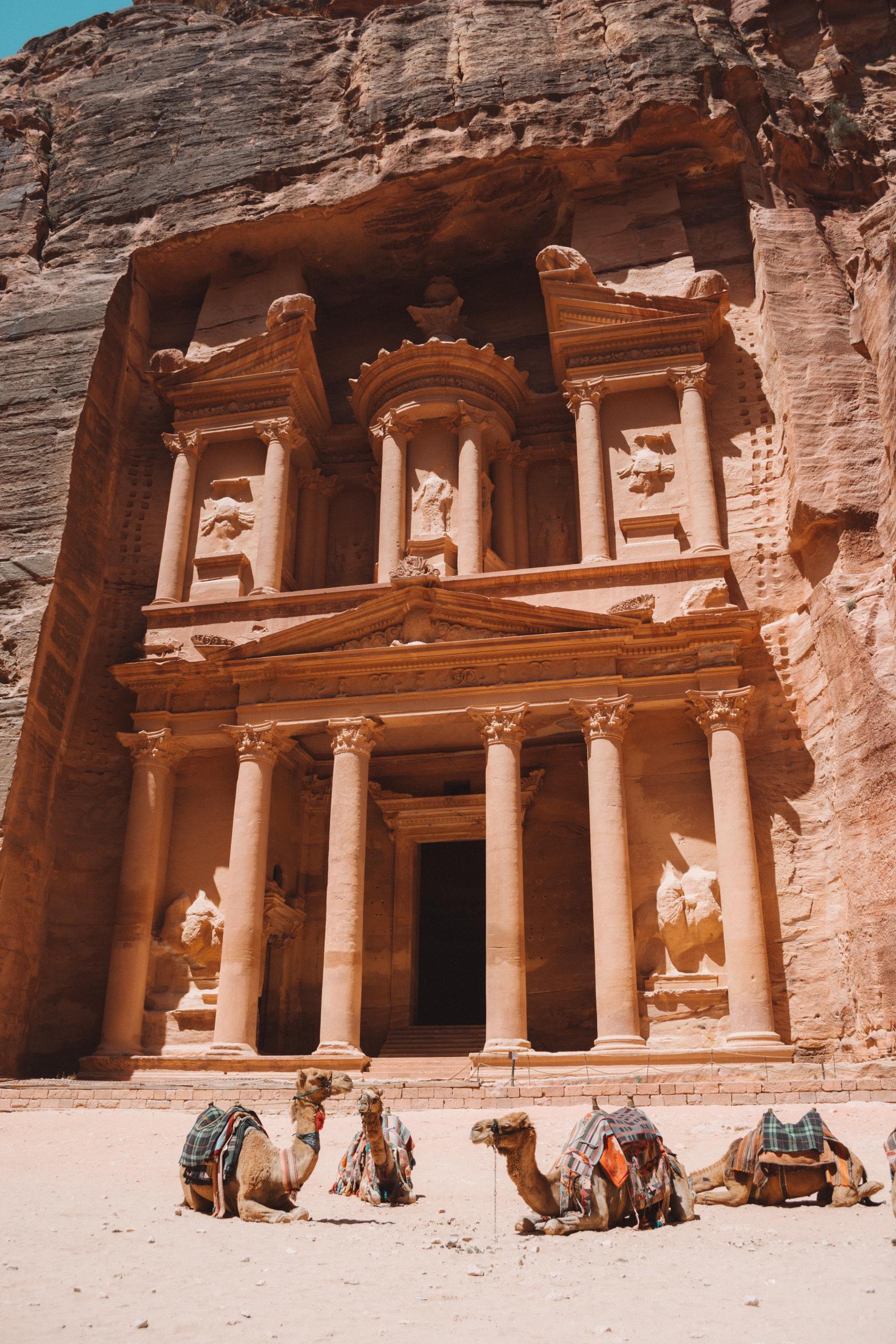
Petra, often called the “Rose metropolis,” is a breathtaking testament to the ingenuity and resilience of the Nabateans, who carved this marvelous town into the vibrant purple sandstone cliffs over 2,000 years in the past. located in southern Jordan, Petra’s beauty lies not simply in its striking rock-cut structure, however in its tale—one of historical exchange, cultural mixing, and architectural mastery. The metropolis’s grand structures, like the iconic Treasury (Al-Khazneh) and the Monastery (Al-Deir), have been not just buildings; they had been a mirrored image of the wealth and power of a state that thrived along main exchange routes. Petra’s natural panorama, with its dramatic cliffs, slim gorges like the Siq, and expansive wilderness vistas, further enhances its attraction, growing a harmonious combo of nature and human creation. The tale of Petra is certainly one of discovery and thriller, a city that was lost to the Western global for hundreds of years before it turned into rediscovered in 1812, but continues to captivate and inspire all who go to. Its beauty is timeless—an enduring symbol of historical brilliance and the beauty of human achievement.
Taj Mahal
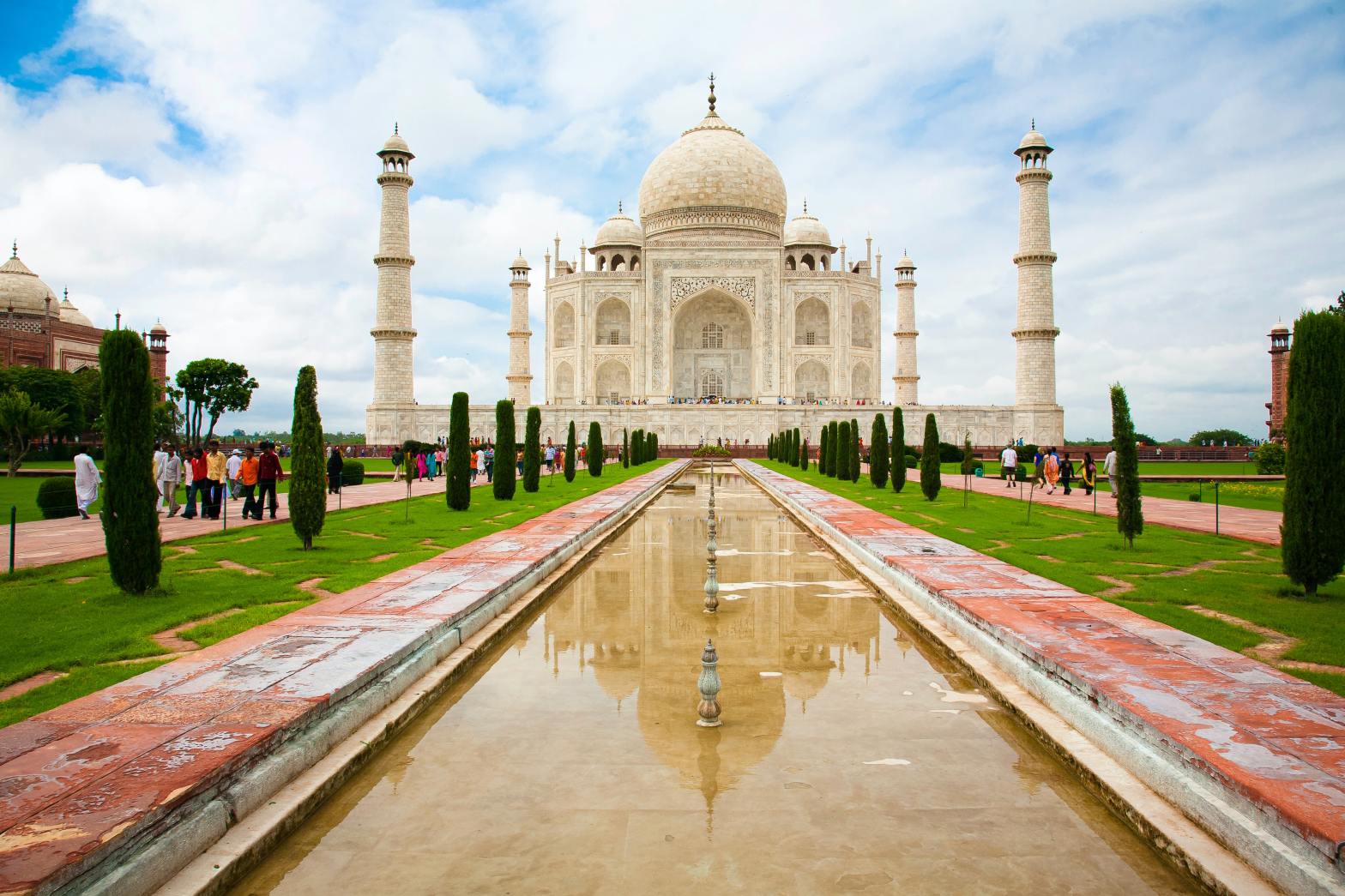
The Taj Mahal, a breathtaking symbol of love and one of the world’s most iconic monuments, stands as a testament to the grandeur and beauty of Mughal architecture. Located in Agra, India, it was commissioned by Emperor Shah Jahan in 1631 in memory of his beloved wife, Mumtaz Mahal, who passed away during childbirth. This magnificent white marble mausoleum, completed in 1653, is renowned for its intricate craftsmanship, symmetrical gardens, and stunning use of precious stones. A UNESCO World Heritage site, the Taj Mahal draws millions of visitors annually, captivating them with its elegant design, historical significance, and the powerful love story behind its creation.
The Great Wall of China

The Great Wall of China is one of the most impressive and iconic structures in human history, stretching over 13,000 miles across diverse landscapes of northern China. Built over several centuries, it stands as a symbol of China’s historical strength, military prowess, and determination. Initially constructed to protect Chinese states from invasions by nomadic tribes, the wall evolved into a massive network of fortifications, including walls, watchtowers, and fortresses, particularly during the Ming Dynasty (1368-1644).
The Great Wall’s construction was a monumental feat of engineering, utilizing local materials like earth, wood, and stone depending on the region. It was designed not only as a defensive barrier but also as a communication system, with signal fires and watchtowers to relay warnings across vast distances. Beyond its military function, the Great Wall has become a powerful symbol of China’s cultural heritage, perseverance, and unity. Today, it is a UNESCO World Heritage site and a major attraction, drawing millions of visitors who marvel at its scale, beauty, and historical significance.
 Welcome to My Travel Blog