
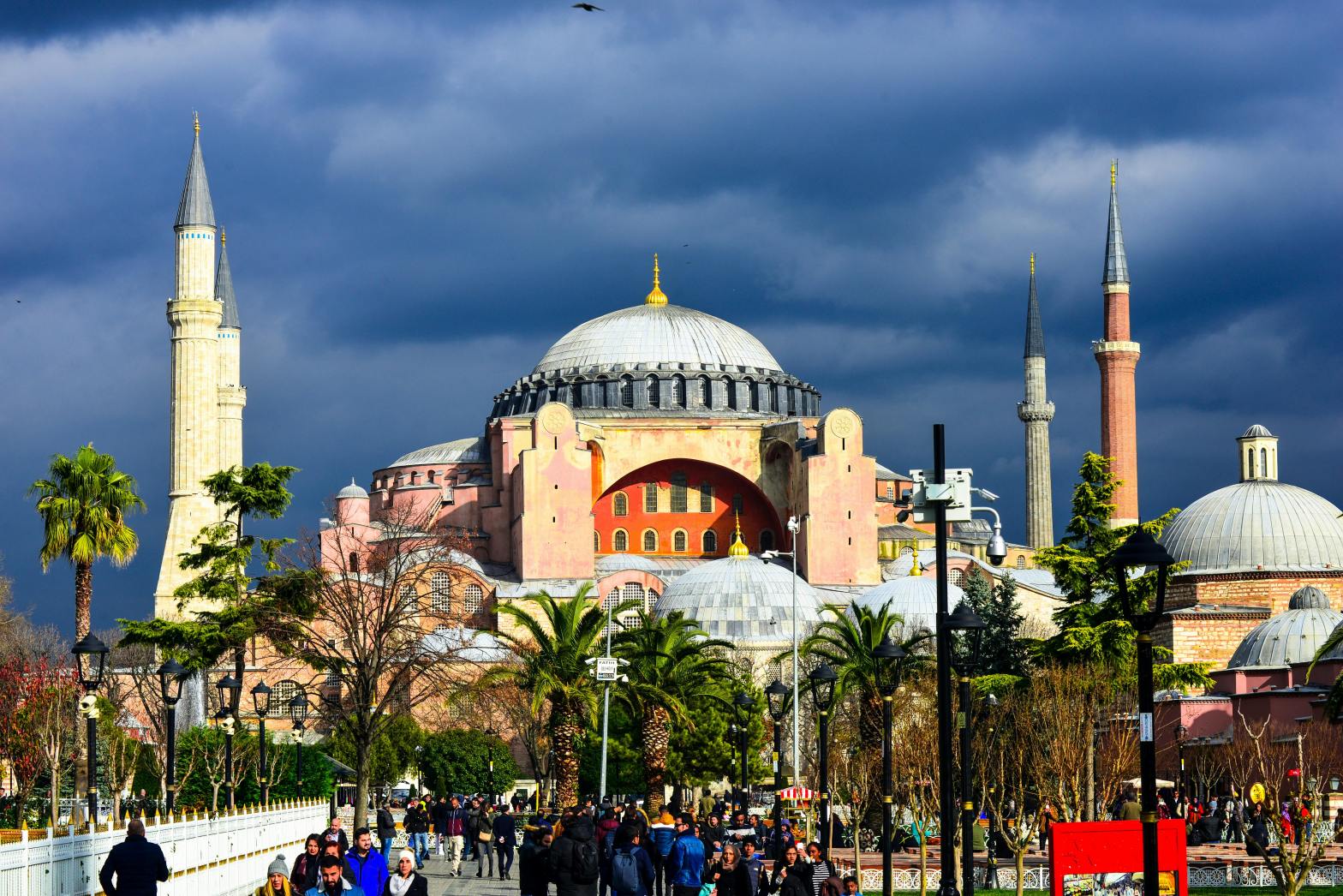
Hagia Sophia, one of the maximum iconic landmarks inside the global, has a fascinating and multifaceted records that spans over 1,500 years. placed in Istanbul, Turkey, Hagia Sophia has stood as a image of non secular and architectural grandeur, a testament to the wealthy cultural historical past that bridges the space between East and West. This huge structure, at the start built as a church, later converted into a mosque, and now functioning as a museum and mosque, showcases the ever-evolving nature of human history, religion, and artwork.
Historic importance of Hagia Sophia
The start of Hagia Sophia: Byzantine generation
The construction of Hagia Sophia commenced in 532 ad beneath the reign of the Byzantine Emperor Justinian I. at the time, Constantinople (modern-day-day Istanbul) changed into the coronary heart of the Byzantine Empire, and Emperor Justinian estimated the advent of a grand structure that would function the spiritual center of his empire. Hagia Sophia become meant to outshine all different churches in terms of length, splendor, and architectural innovation.
The building became designed through two renowned architects, Anthemius of Tralles and Isidore of Miletus, who had been tasked with bringing Justinian’s vision to existence. The result was an imposing cathedral with a considerable primary dome that regarded to glide above the space, supported by pendentives—a progressive layout that would have an impact on structure for hundreds of years.
The church turned into consecrated in 537 advert and remained the most important cathedral within the global for nearly 1,000 years. Hagia Sophia have become the spiritual center of the japanese Orthodox Church and the seat of the Patriarch of Constantinople. The complex mosaics, marble columns, and luxurious decoration made it one of the most lovely examples of Byzantine artwork and structure. It became now not handiest a place of worship but additionally a image of the Byzantine Empire’s energy and spiritual have an impact on.
The fall of Constantinople and Conversion to a Mosque
In 1453, the Ottoman Empire, led by Sultan Mehmed II, conquered Constantinople, marking the give up of the Byzantine Empire. The Ottomans recognized the importance of Hagia Sophia and determined to convert it into a mosque. The transformation of Hagia Sophia into a mosque changed into an critical step in integrating the newly conquered metropolis into the Islamic world.
The Ottomans preserved the constructing’s grand shape while making several changes to reflect the Islamic religion. They introduced a mihrab (a spot indicating the direction of Mecca), a minbar (a pulpit), and 4 towering minarets at the corners of the constructing. The Christian mosaics had been either protected or plastered over, in keeping with Islamic traditions of iconoclasm, even though lots of these mosaics had been later uncovered after the building’s conversion right into a museum within the twentieth century.
Hagia Sophia remained a mosque for almost 500 years, serving as one of the maximum vital Islamic websites in the region. It have become a image of Ottoman imperial power and a middle for Islamic scholarship and culture. throughout this period, the constructing’s architectural functions had been further improved, with additions which include the grand imperial mosque courtyard and the terrific calligraphic panels bearing the names of Allah, Muhammad, and different vital Islamic figures.
Hagia Sophia within the present day technology: Museum and Mosque again
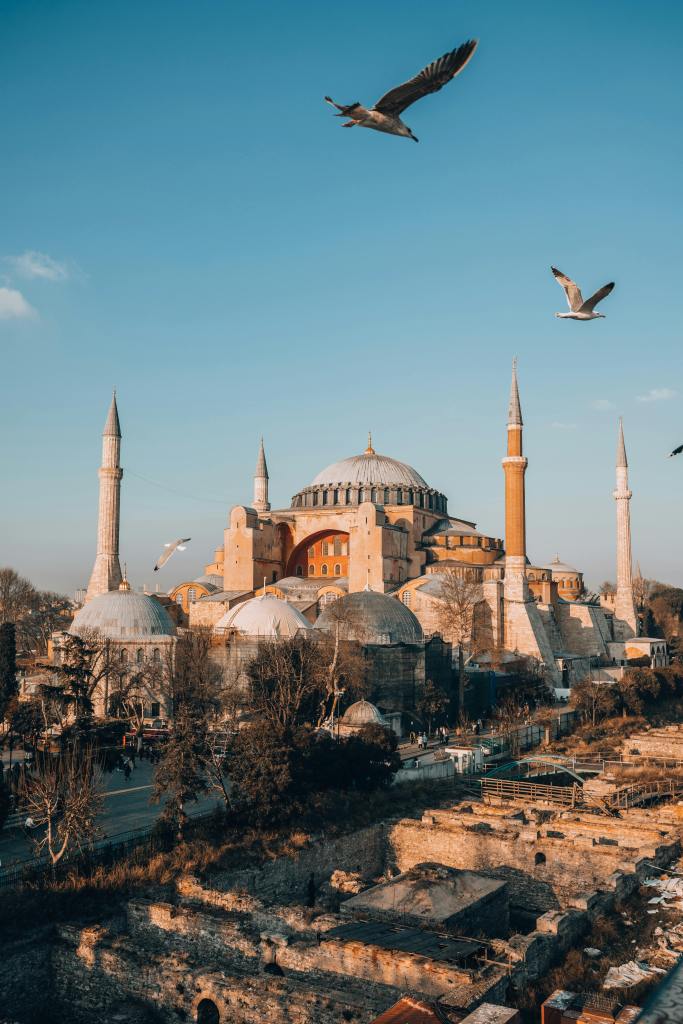
inside the 20th century, following the established order of the Turkish Republic in 1923 below Mustafa Kemal Atatürk, Hagia Sophia underwent some other massive transformation. Atatürk, a visionary leader who sought to modernize Turkey and separate faith from politics, determined to convert Hagia Sophia into an earthly museum. In 1935, Hagia Sophia was officially opened as a museum, symbolizing the new route of Turkey as a modern-day, secular kingdom.
This decision allowed traffic from round the world to get entry to and recognize the constructing’s wealthy records, from its Christian origins to its Islamic importance. for decades, Hagia Sophia stood as a symbol of Turkey’s embrace of various cultural and spiritual heritage. Its mosaics had been uncovered and restored, revealing a wealth of Christian imagery, which include depictions of the Virgin Mary, Christ, and various saints. The museum became one of the maximum visited tourist sights in Turkey, drawing tens of millions of people from around the globe to marvel at its architectural splendor and historic importance.
In 2020, the Turkish government controversially converted Hagia Sophia returned right into a mosque. This selection sparked debate both locally and across the world, with a few praising the return of the building to its religious roots, while others noticed it as a step backward in phrases of Turkey’s secularism and cultural history. these days, Hagia Sophia features as each a mosque and a cultural monument, with Muslims the usage of it for every day prayers and traffic persevering with to explore its high-quality records.
Architectural Marvels of Hagia Sophia
Hagia Sophia’s architectural layout is not anything short of brilliant. The constructing’s maximum putting characteristic is its big critical dome, which measures over 31 meters (102 toes) in diameter and appears to flow above the principle hall. This dome became a groundbreaking architectural success for its time and remains an awe-inspiring feat of engineering.
The dome is supported by pendentives—curved triangular sections of masonry that permit the weight of the dome to be transferred to four large helping piers. This innovative layout allowed the architects to create a substantial, open interior area without the need for cumbersome columns or walls, giving the impact that the dome is suspended in mid-air.
The interior of Hagia Sophia is equally extraordinary, with soaring arches, columns product of marble and granite, and elaborate mosaics that cowl the walls and ceilings. The walls are adorned with gold and silver tiles, creating a shimmering impact while sunlight streams through the windows. The building’s interior is divided into several sections, each with its very own cause and significance. The nave, or primary corridor, is the biggest location and turned into at first used for the congregation of worshippers. The apse, positioned at the eastern cease, housed the altar in the Christian era, whilst the mihrab inside the Islamic duration indicates the path of prayer.
The mixing of Christian and Islamic architectural factors in Hagia Sophia is a testament to the building’s complicated and layered history. Byzantine mosaics and frescoes coexist with Islamic calligraphy and decorative factors, growing a harmonious fusion of super religious traditions. This juxtaposition of art and structure speaks to the constructing’s capability to conform to the changing non secular and cultural landscapes of the areas it has served.
Cultural and religious importance of Hagia Sophia
Hagia Sophia holds profound spiritual and cultural significance for each Christians and Muslims, in addition to for people of different faiths and backgrounds. For Christians, Hagia Sophia represents a historical and religious connection to the Byzantine Empire and the eastern Orthodox Church. The church changed into as soon as the middle of Orthodox Christianity, and its spiritual ceremonies were imperative to the lives of tens of millions of believers. The mosaics that enhance the partitions and ceilings of Hagia Sophia depict scenes from the lifestyles of Christ and the Virgin Mary, providing a glimpse into the spiritual practices and iconography of the Byzantine Empire.
For Muslims, Hagia Sophia holds deep non secular significance as one of the most crucial mosques within the Islamic world. The conversion of Hagia Sophia right into a mosque by the Ottomans symbolized the triumph of Islam over Christianity within the place. The mosque became a middle of worship, education, and Islamic scholarship for centuries, and its persisted use as a mosque nowadays reflects the enduring legacy of Islam in Turkey.
similarly to its non secular importance, Hagia Sophia serves as a image of cultural trade and coexistence. The constructing’s capacity to incorporate both Christian and Islamic elements demonstrates the cultural fluidity that has described the region in the course of records. Hagia Sophia is a dwelling testament to the historic connections between the Byzantine and Ottoman Empires, as well as the wider cultural communicate between the East and the West.
Hagia Sophia: A UNESCO world background web site
Recognized for its historical, architectural, and cultural value, Hagia Sophia turned into specific as a UNESCO international history site in 1985. The UNESCO listing underscores the worldwide importance of the constructing as a masterpiece of architecture and a image of cultural history that transcends country wide borders and non secular divides.
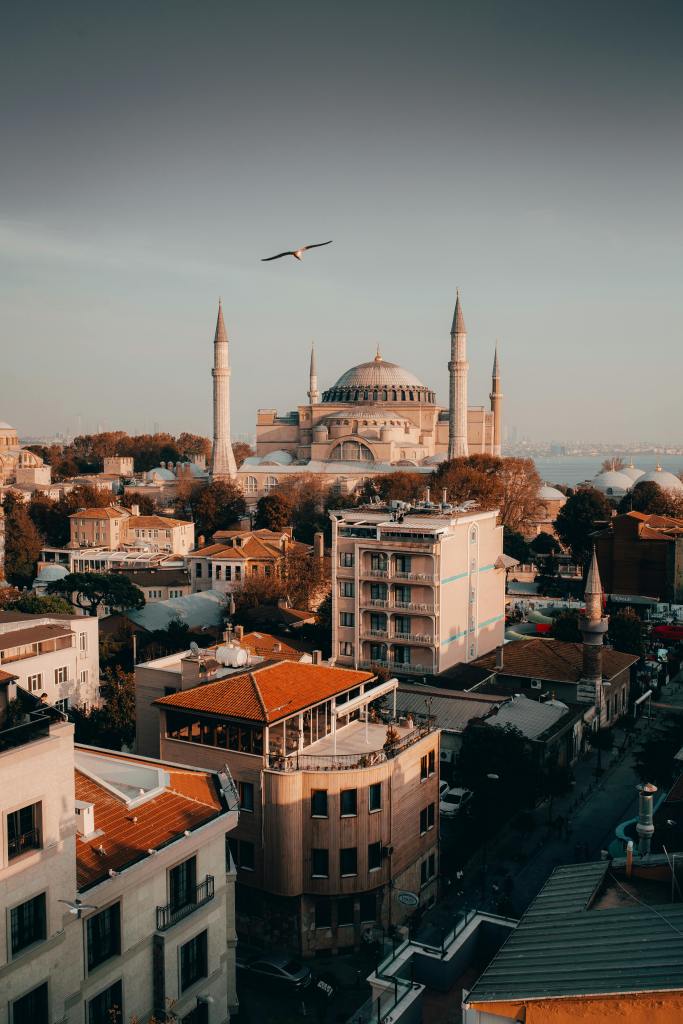
As one of the most visited monuments inside the international, Hagia Sophia continues to attract hundreds of thousands of travelers each year. site visitors come to surprise at its architectural brilliance, learn about its complicated records, and reflect on its religious significance. whether favourite as a religious website online, an architectural wonder, or a cultural icon, Hagia Sophia stays a symbol of the iconic electricity of human creativity and faith.
conclusion
Hagia Sophia is extra than just a building; it’s far a residing piece of history that tells the tale of the Byzantine Empire, the Ottoman Empire, and the intersection of Christianity and Islam. From its origins as a grand Christian church to its transformation into a mosque and its eventual role as a museum, Hagia Sophia has played an critical function inside the cultural and religious existence of the arena. Its architectural innovation, cultural importance, and religious electricity maintain to encourage awe and admiration, making it one of the maximum important and cherished landmarks in the international these days.
As Hagia Sophia stands at the crossroads of records, religion, and way of life, it serves as a reminder of the rich and various history that shapes our international. whether or not as a place of worship, a museum, or a image of cultural exchange, Hagia Sophia will continue to be a timeless image of human creativity, resilience, and the shared records of mankind.
 Welcome to My Travel Blog
Love this Place!
LikeLike